
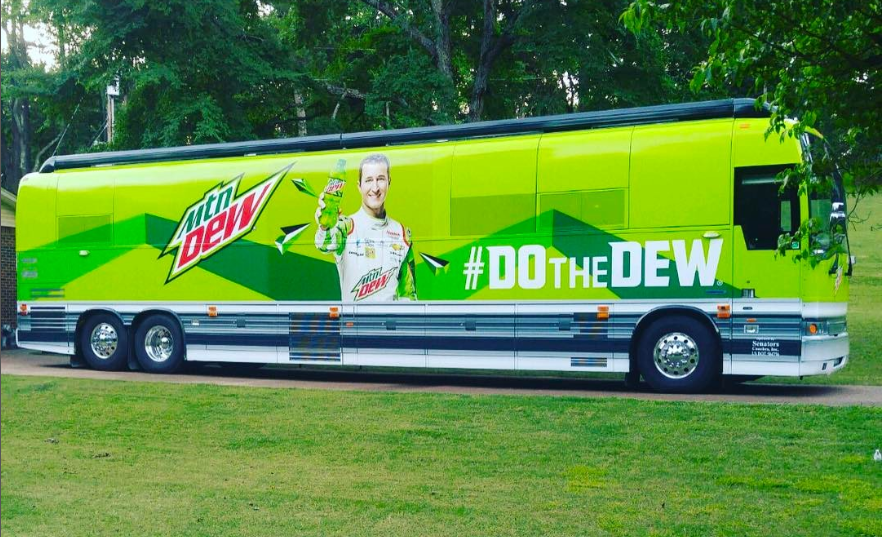
People don’t remember ads. They remember experiences.
That billboard they drove past? Forgotten by the next exit. That banner ad they scrolled by? Already gone.
But that time they actually engaged with a brand, touched the product, talked to real people, and felt something…yeah, that sticks.
That’s the power of experiential marketing vehicles.
Instead of waiting for customers to find you, you go to them. Instead of shouting your message into the void, you create an environment where people choose to engage. Instead of one-way advertising, you build two-way relationships.
Experiential marketing vehicles aren’t just transportation. They’re brand experiences on wheels. And when used strategically, they transform how people perceive, remember, and connect with your brand.
Here’s everything you need to know to make it work for yours.
What Are Experiential Marketing Vehicles?
Experiential marketing vehicles are custom-branded vehicles designed to create immersive brand experiences. They can be anything from luxury coach buses to Sprinter vans, food trucks to double-deckers, trailers to school buses—the vehicle type matters less than what you do with it.
The key word is experiential. These aren’t just mobile billboards (though they definitely turn heads). They’re spaces where customers interact with your brand in meaningful, memorable ways:
- Product demonstration labs on wheels
- Mobile showrooms that bring your products to customers
- Branded lounges for VIP experiences
- Interactive game zones that engage and entertain
- Pop-up retail spaces in unexpected locations
- Educational centers that inform and inspire
The vehicle becomes the venue. And that venue can show up anywhere your customers are.
Why Experiential Marketing Vehicles Work (The Psychology)
There’s actual science behind why experiential marketing vehicles are so effective.
- People Trust Experiences Over Claims: You can tell someone your product is amazing. Or you can let them experience it for themselves. Which do you think they’ll believe?
- Physical Engagement Creates Emotional Connection: Touching, trying, interacting—these physical actions trigger emotional responses. Emotions drive purchase decisions. It’s not manipulation; it’s just how humans work.
- Novelty Captures Attention: Our brains are wired to notice things that are different. A branded experiential vehicle in an unexpected location? That’s different. That gets attention.
- Shared Experiences Get Shared: People love telling stories about cool things they experienced. Give them something worth sharing, and they become your marketing team.
- Context Matters: Meeting customers where they already are—at festivals, events, in their neighborhoods—means they’re in the right mindset to engage. You’re not interrupting. You’re enhancing.
7 Types of Experiential Marketing Vehicles (And When to Use Each)
Not all experiential marketing vehicles serve the same purpose. Your choice depends on your goals, audience, and campaign type.
1. Luxury Coach Buses
Best for: High-end brand experiences, VIP tours, B2B marketing, hospitality events, executive roadshows
These are the premium option. Spacious, customizable, impressive. Perfect when you want to create an elevated experience that reflects a luxury or professional brand positioning. They can be converted into mobile offices, lounges, showrooms, or entertainment spaces.
2. Sprinter Vans
Best for: Nimble city activations, product sampling, street-level engagement, boutique experiences
Smaller footprint, easier to navigate, more accessible. Great for brands that want to pop up in tight urban spaces or create intimate, one-on-one customer interactions.
3. Food Trucks
Best for: Food and beverage brands, sampling campaigns, festival presence, approachable brand experiences
Inherently inviting. People are already conditioned to approach food trucks, making them perfect for brands that want to seem accessible and fun. Even non-food brands use them for sampling and giveaways.
4. Double-Decker Buses
Best for: Maximum visibility, large-scale activations, multi-level experiences, high-traffic events
You can’t miss a double-decker. Upper level for visibility and 360-degree views, lower level for interactive experiences. Perfect for brands that want to make a massive visual statement.
5. Trailers and Event Trailers
Best for: Stationary activations, trade show extensions, multi-day events, equipment-heavy demonstrations
These stay put but pack serious experiential punch. Great for brands that need power, space, and stability for complex product demonstrations or installations.
6. School Buses
Best for: Nostalgic brand experiences, education-focused campaigns, youth marketing, approachable activations
Instantly recognizable and approachable. The familiarity lowers barriers to engagement. Clever for brands that want to tap into nostalgia or target family-oriented audiences.
7. Custom-Built Vehicles
Best for: Unique brand requirements, one-of-a-kind experiences, campaigns where the vehicle IS the message
Sometimes your brand needs something completely custom. Glass trucks, vintage vehicles, specialty conversions—if you can dream it, it can probably be built.
Strategic Uses for Experiential Marketing Vehicles
Okay, you’ve got a vehicle. Now, here’s how smart brands are actually using them in the real world:
- Product Launches That Create Buzz: Take your new product on tour before it hits shelves. Let people try it, love it, and tell everyone about it. By launch day, you’ve already built demand and FOMO. The product doesn’t drop into silence—it drops into anticipation.
- Market Testing Without Risk: Want to test a new market without signing a lease? An experiential marketing vehicle lets you gauge interest, collect real feedback, and make adjustments before you commit serious resources. Think of it as a pilot program on wheels.
- Brand Awareness in New Markets: Entering unfamiliar territory? Show up physically. Create experiences. Let people touch, feel, and engage with your brand. It’s faster and way more memorable than hoping they see your billboard.
- Customer Appreciation Events: Bring the party directly to your loyal customers. VIP experiences, exclusive previews, special perks—show them you value them beyond their purchase history. Loyalty isn’t built on discounts alone.
- B2B Relationship Building: Corporate hospitality vehicles create environments for deeper business conversations. It’s not just another conference room meeting—it’s an experience that strengthens partnerships and makes your brand unforgettable.
- Event Marketing Amplification: Already attending a festival or trade show? An experiential vehicle extends your presence way beyond your booth. You’re not just there—you’re everywhere. Impossible to miss.
- Employee Engagement and Recruitment: Don’t forget internal campaigns. Employee appreciation tours, recruitment drives, mobile training centers—your team deserves great experiences too. Happy employees become your best brand ambassadors.
- Social Cause and Community Outreach: Brands with purpose can use experiential vehicles to bring resources, information, and actual support directly to communities. Impact with visibility. Doing good while being seen doing good.
Your Brand, On the Move
Experiential marketing vehicles aren’t just a trend. They’re a strategic response to how consumers want to interact with brands today.
People are tired of being advertised to. They want authentic experiences, genuine connections, and brands that come to them rather than demanding they show up.
Experiential marketing vehicles deliver exactly that.
Your audience is out there. Your competition might already be reaching them. The question isn’t whether experiential marketing vehicles work—it’s whether you’re ready to use them strategically for your brand.
Ready to create brand experiences that stick? Let’s build something people will remember.
Frequently Asked Questions
Q. How much does an experiential marketing vehicle campaign cost?
It varies wildly. Factors include vehicle type, customization level, tour length, staffing needs, and geographic scope. Fortunately, the ROI often justifies the investment when the strategy is solid. Best move: define your goals first, then work backward to a realistic budget.
Q. How long does it take to plan and execute an experiential marketing vehicle campaign?
Plan for at least 3-4 months from concept to launch for a straightforward campaign. Complex custom builds or nationwide tours? More like 6-9 months. This includes design and approvals, vehicle sourcing or conversion, graphic production and installation, permit acquisition, staff hiring and training, and route planning and logistics. Rushing this process usually means cutting corners you’ll regret later. Give yourself time to do it right.
Q. Can we track ROI from an experiential marketing vehicle campaign?
Absolutely, and you should. Use unique promo codes for tour attendees, QR codes that track engagement and source, custom landing pages specifically for vehicle visitors, lead capture systems with proper attribution, and post-event surveys. Combine quantitative data (leads, sales, engagement numbers) with qualitative insights (brand sentiment, media coverage, social sharing). The key is setting up tracking mechanisms before you launch, not trying to reconstruct ROI after the fact.
Q. What if weather or mechanical issues disrupt our tour?
Welcome to the reality of mobile marketing. Weather happens. Vehicles occasionally have issues. That’s why contingency planning is non-negotiable. Build buffer days into your schedule, have backup plans for outdoor activations, work with partners who provide vehicle maintenance and support, carry proper insurance, and maintain flexibility to adjust routes or timing. The best campaigns build in 10-15% extra time for the unexpected. Because it will happen. How you handle it determines whether it’s a minor hiccup or a campaign disaster.