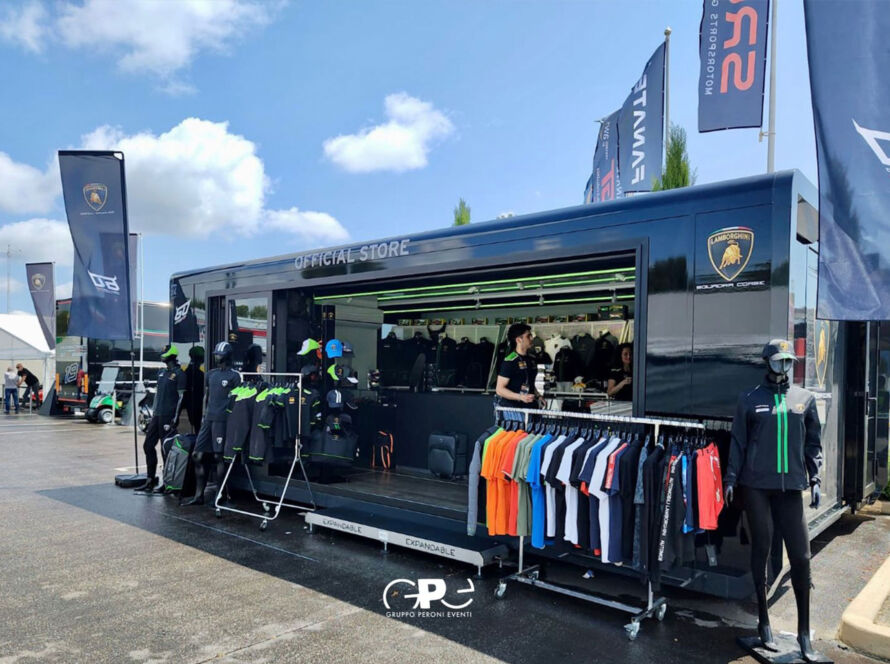
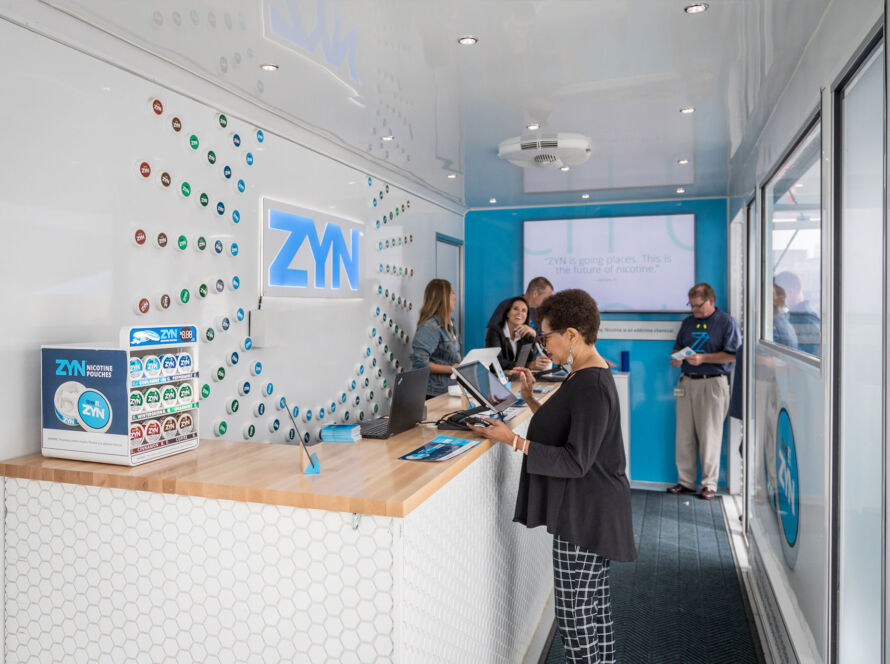
A mobile pop-up shop only works if you give people a reason to walk toward it. Park a branded truck on a busy corner and you’ve got a vehicle. Give that truck a hook (a drop, a taste, a thing to try) and you’ve got a crowd.
The difference is the execution.
Below, we’ll walk you through mobile pop-up shop ideas that work, each with a vehicle, an audience, and a reason it performs. Borrow the ones that best fit your brand.
Key takeaways
- A mobile pop-up shop is a branded vehicle that brings your product to the customer instead of waiting for foot traffic to find a storefront.
- The idea matters more than the vehicle. A hook (a drop, a taste, a demo) is what turns a parked truck into a crowd.
- Match the format to the goal: sampling buses for trial, fashion trucks for scarcity, content-studio builds for reach.
- Budget for the unglamorous stuff too. Permits, staffing, and logistics decide whether the whole thing runs smoothly.
What a mobile pop-up shop is (and why brands love them)
A mobile pop-up shop is a temporary, branded retail space built into a vehicle. Some people call it a mobile retail store, a shop on wheels, or a fashion truck.
Whatever the name, the idea is the same: a van, truck, trailer, or bus, wrapped in your brand and stocked to sell, sample, or show off a product. Instead of signing a lease and hoping foot traffic shows up, you drive the shop to wherever your customers already are.
Brands like the model for a few reasons:
- No long-term rent
- Full control over the look and feel
- Freedom to test a new market on a Saturday and pack up by Sunday
- Real, in-person moments in a world where most brand interactions happen through a screen
9 mobile pop-up shop ideas
Each of these pairs a format with a vehicle and a reason it lands. Some sell product. Some sell buzz. All of them beat a folding table in a parking lot.
1. The limited-edition fashion truck drop
Streetwear and DTC apparel brands live and die by scarcity. A box truck or step van, wrapped and stocked with a drop that’s only available at the truck, turns a normal Tuesday into an event. People line up for the thing they can’t get anywhere else.
Why it works: the vehicle is the exclusivity. When the merch only exists where the truck parks, the location becomes the reason to show up. Announce the stop the morning of, watch the line form by lunch.
Practical tip: keep the inventory tight and the checkout mobile. A tap-to-pay setup on a phone means no line snaking down the block waiting for a register.
2. The sampling bus
Food, beverage, and beauty brands share one problem: people won’t buy what they haven’t tried. A double-decker or coach bus solves it by becoming a mobile tasting room. Ground floor for sampling, top deck for a branded lounge or a photo moment.
Why it works: sampling converts. Someone who tastes your cold brew or feels your new serum is a warmer lead than a thousand impressions. The bus makes the sample feel like an experience instead of a grocery-store handout.
Practical tip: pair every sample with an easy next step. A QR code to buy, a discount for signing up, a reason to act while the taste is still fresh.
3. The mobile showroom
Some products need room to breathe. Mattresses, tech, fitness gear, anything a customer wants to poke at before committing. A Sprinter van or trailer built out as a mini showroom on wheels brings the demo to them.
Who it’s for: DTC brands that started online and want a physical trial without the retail lease. Warby Parker tested physical retail with pop-ups before opening hundreds of permanent stores. It’s a proven path.
Why it works: most shoppers still want to see and touch a product before they commit. A showroom on wheels closes that gap in the parking lot of an office park, a campus, or a festival.
Practical tip: train your staff to demo, not hover. The vehicle draws people in. The people inside decide whether they stay.
4. The festival-chasing trailer
Festivals, marathons, tailgates, and street fairs are packed with people in a good mood and an open wallet. A branded trailer that follows the event calendar drops your brand into the middle of the party.
Who it’s for: beverage, lifestyle, and energy brands whose audience is already at these events.
Why it works: you’re not interrupting anyone. You’re adding to a day people already showed up for. That context does half the selling for you.
Practical tip: book your spots early and know the event’s vendor rules cold. The best festival placements get claimed months out, and showing up without a permit is a fast way to get towed.
5. The two-brand collab
One vehicle, two brands, one shared audience. A coffee roaster and a cycling apparel label. A skincare line and a smoothie brand. You split the cost and double the reach.
Why it works: each brand brings its own crowd, and both walk away in front of an audience they’d have paid to reach separately. A good collab feels like a discovery.
Practical tip: pick a partner whose audience overlaps with yours but whose product doesn’t compete. The goal is a pairing that feels obvious in hindsight, not two brands awkwardly sharing a folding table.
6. The content studio on wheels
Some pop-ups sell product. This one sells posts. Build the vehicle as a backdrop engineered for photos and video: good lighting, a branded set, props that beg to be filmed. Every visitor becomes a tiny billboard.
Who it’s for: social-first brands that care as much about reach as register sales.
Why it works: a great mobile setup earns content nobody had to pay for. One visitor’s Reel can out-perform a whole day of foot traffic.
Practical tip: make the shareable moment impossible to miss and stupidly easy to capture. If people have to hunt for the photo spot, most won’t bother.
7. The neighborhood tour
Skip the one big activation and run a slow route instead. A wrapped school bus or van that hits a different neighborhood each week, building familiarity stop by stop. The bus people spotted last month in one part of town shows up across town, and the recognition compounds.
Who it’s for: regional brands, new-market launches, and anyone building local loyalty from scratch.
Why it works: repetition builds trust. A school bus in particular reads as approachable and impossible to ignore, which is exactly why it turns heads.
Practical tip: publish the route. When people can see you’re coming to their corner next, the anticipation builds itself.
8. The seasonal roadshow
The holidays turn every shopper into a slightly panicked gift-buyer. A mobile pop-up shop stocked as a curated gift shop, touring multiple cities through the season, meets them right where the stress lives.
Who it’s for: retail and ecommerce brands with a strong Q4, or anyone with a seasonal hook (summer, back-to-school, Valentine’s Day).
Why it works: timing. The same vehicle that’s a novelty in March becomes a genuine convenience in December, when nobody wants to fight the mall.
Practical tip: plan the route around the calendar, not just the map. Hit the biggest markets on peak shopping weekends and give yourself buffer days between cities.
9. The single-product launch teaser
When you’ve got one hero product to launch, give it one vehicle and nothing else to compete with. No full catalog, no clutter. Just the new thing, staged like it’s the only product that matters (because for this tour, it is).
Who it’s for: brands launching a flagship product, a collab, or a limited release.
Why it works: focus. A pop-up built around a single product creates urgency and makes the launch feel like an occasion. Being first in line, in the only place it exists, does the rest.
Practical tip: build the whole experience around that one product’s story. Every wrap, prop, and staff pitch should point at the same thing.
Before you roll: cost, permits, and staffing
This is the less glamorous parts of mobile pop-up shops, but that doesn’t make them less important:
- Cost. A mobile pop-up shop ranges widely depending on the vehicle and how custom you go. A simple wrapped van runs a few thousand for graphics on the low end. A fully built-out coach or double-decker with interior fixtures, screens, and custom furniture lands well into five figures. Renting a turnkey vehicle from a provider usually beats buying one outright for a single campaign, since you skip the purchase, storage, insurance, and upkeep.
- Permits. Most cities require a permit to park and operate a commercial vehicle for retail or sampling, and the rules shift from one municipality to the next. Festivals and private events layer their own vendor agreements on top. Sort this out early. A great activation towed away at noon is just an expensive lesson.
- Staffing. The vehicle gets people to slow down. Your staff decides whether they stick around. Brand ambassadors who can demo, sample, and hold a conversation are worth more than the wrap itself. Budget for good ones.
- Logistics. Someone has to drive it, route it, insure it, and set it up at every stop. This is where a lot of DIY mobile pop-ups fall apart, and where partnering with a company that handles the whole thing earns its keep.
Get your brand on the road
The best mobile pop-up shop ideas share one thing: somebody handled the logistics so the brand could focus on the experience.
That’s the part we do.
Creative Coach Solutions has been building and running mobile marketing vehicles since 2004, from Sprinter vans and trailers to double-deckers and custom coach conversions. We handle the design, the wrap, the build, the driver, the insurance, and the route, nationwide.
You bring the idea. We make sure it shows up.
Pick the concept that fits your brand and let’s get it on the road. Request a quote, and we’ll help you build the pop-up your customers can’t scroll past.
Frequently asked questions
What is a mobile pop-up shop?
A temporary, branded retail or brand experience built into a vehicle (a van, truck, trailer, or bus) that travels to your customers instead of waiting for them to visit a store.
How much does a mobile pop-up shop cost?
It depends on the vehicle and how custom you go. A simple wrapped van can run a few thousand dollars for graphics. A fully built-out coach or double-decker climbs well into five figures. Renting a turnkey vehicle usually costs less than buying one for a single campaign.
Do you need a permit for a mobile pop-up shop?
Usually, yes. Most cities require a permit to park and operate a commercial vehicle for retail or sampling, and the rules change by location. Events add their own vendor agreements. Line these up before you book the route.
What vehicles work best as a mobile pop-up shop?
Sprinter vans and trailers suit intimate showrooms and demos. Box trucks and step vans fit fashion drops. Double-deckers and coach buses work for sampling and larger crowds. School buses draw attention for neighborhood tours.